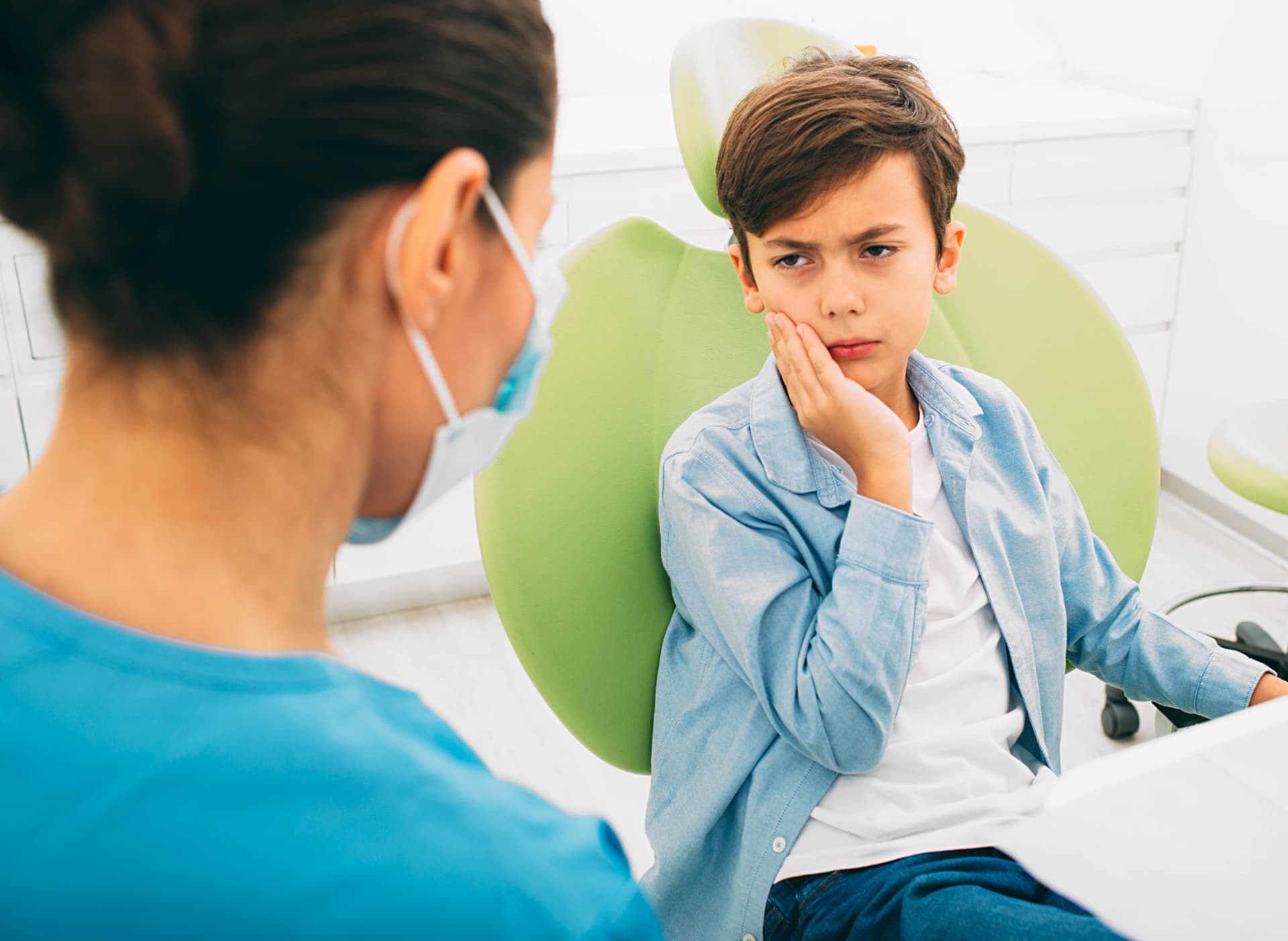
When your child says a tooth hurts, it can be hard to tell whether it is a small irritation or something that needs care quickly. For a child toothache in Khalifa City, Abu Dhabi, arrange a dental assessment and describe the symptoms clearly when you call.
What should I tell the dentist?
Note when the pain started, whether it comes and goes, if chewing or cold drinks make it worse, and whether you can see a broken tooth, swelling, or a sore area. Mention any recent fall or injury. Pain can arise from decay, a damaged tooth, gum irritation, or other causes; the dentist needs to examine your child to find out.
What can we do while waiting?
Encourage gentle brushing and offer soft food if chewing is uncomfortable. Do not place aspirin or other medication directly on the gum. If you are considering pain relief, follow the medicine label and advice from a pharmacist or clinician for your child's age and health.
When is it urgent?
Facial swelling, fever, a child who appears very unwell, or difficulty swallowing or breathing needs urgent medical assessment. If a permanent tooth has been knocked out, seek immediate dental help; tell the team it is a permanent tooth. Do not delay a visit simply because the pain temporarily settles.
SmileRite Dental Care sees children in Khalifa City A, Abu Dhabi, at Villa No. 2, 3 Street, SE 1. Call 02 555 9595 or 052 913 3529 and explain the symptoms so reception can guide you on appointment availability.
What a child's symptoms can tell the dentist
A child may point to the wrong tooth or struggle to describe pain. Watch for changes in eating, avoiding one side, waking at night, or becoming upset when brushing a particular area. These observations are useful even if you cannot see a cavity. A dentist can examine the teeth and gums and decide if imaging is appropriate.
If a tooth was injured, note the time and whether it is a baby tooth or permanent tooth if you know. Do not try to push a knocked-out baby tooth back into place. A displaced or knocked-out permanent tooth needs immediate professional advice. If you are unsure which type it is, tell the dental team and seek prompt guidance.
Helping your child while arranging care
Stay calm and reassure them that you are arranging help. Offer water and foods that are comfortable to chew. Gently clean the area if your child will allow it. Avoid very hot, cold, or hard foods if these trigger pain. Do not apply topical products or medicines directly to the tooth without advice.
For pain relief, a pharmacist or clinician can advise what is suitable for your child's age, weight, medical history, and other medicines. Follow the product instructions carefully. Pain relief may help your child cope while waiting, but it does not treat the cause of a toothache. If symptoms worsen while you wait, call again and update the team.
What might happen at the dental visit?
The dentist will ask about symptoms, examine the mouth, and explain the likely cause. The plan depends on whether the tooth is primary or permanent, the stage of development, and what the examination shows. A small cavity, deep infection, gum issue, or injury each requires a different discussion. Ask what the treatment aims to achieve, whether there are alternatives, and how to care for your child afterward.
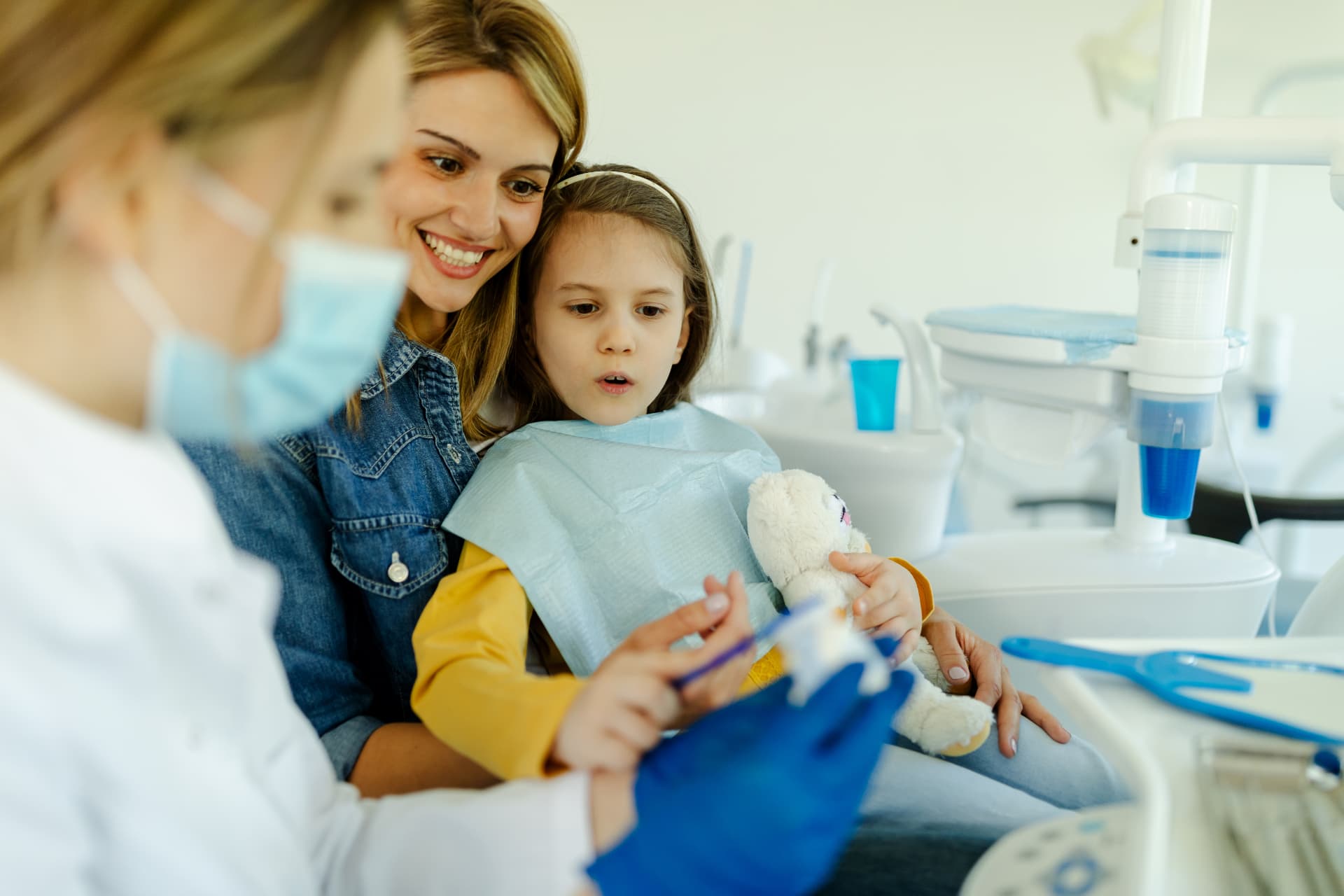
Let the team know if your child is nervous or has difficulty tolerating certain sounds or sensations. A calm explanation at their level can make an unfamiliar situation easier. Parents can help by sharing what usually comforts the child and asking how to describe the proposed treatment at home.
Signs that need more than a routine booking
Do not wait for the next convenient appointment if there is spreading swelling, fever, difficulty opening the mouth, or a child who seems unusually unwell. Difficulty breathing or swallowing requires emergency medical care. An injury involving head trauma needs medical assessment as well as dental advice.
For families in Khalifa City, call the branch and say how long your child has been in pain, whether there is swelling or fever, and whether a fall occurred. Reception can discuss availability and pass the information on appropriately. The article can help you prepare for that call, but it cannot diagnose your child.
One final question to ask
After the dentist has treated the cause, ask what signs might show that your child needs another review. Request clear instructions about eating, brushing, and any medication after the appointment. If the pain returns or your child develops swelling, contact the practice again. Keep any recommended follow-up even if your child feels better, because the dentist may need to check healing.