Packing for a trip is stressful enough without a crown moving when you bite. If you have a loose dental crown before travel from Abu Dhabi, call a dentist before you leave. The sooner they assess it, the more clearly you will know what needs to happen next.
What should I do right now?
Avoid chewing hard or sticky foods on that side. If the crown comes off, keep it in a clean container and bring it to your appointment. Do not use household glue to put it back. The tooth underneath may be sensitive or exposed, and the dentist needs to check both the tooth and the crown before deciding whether it can be reattached or needs another solution.
Can I wait until after my holiday?
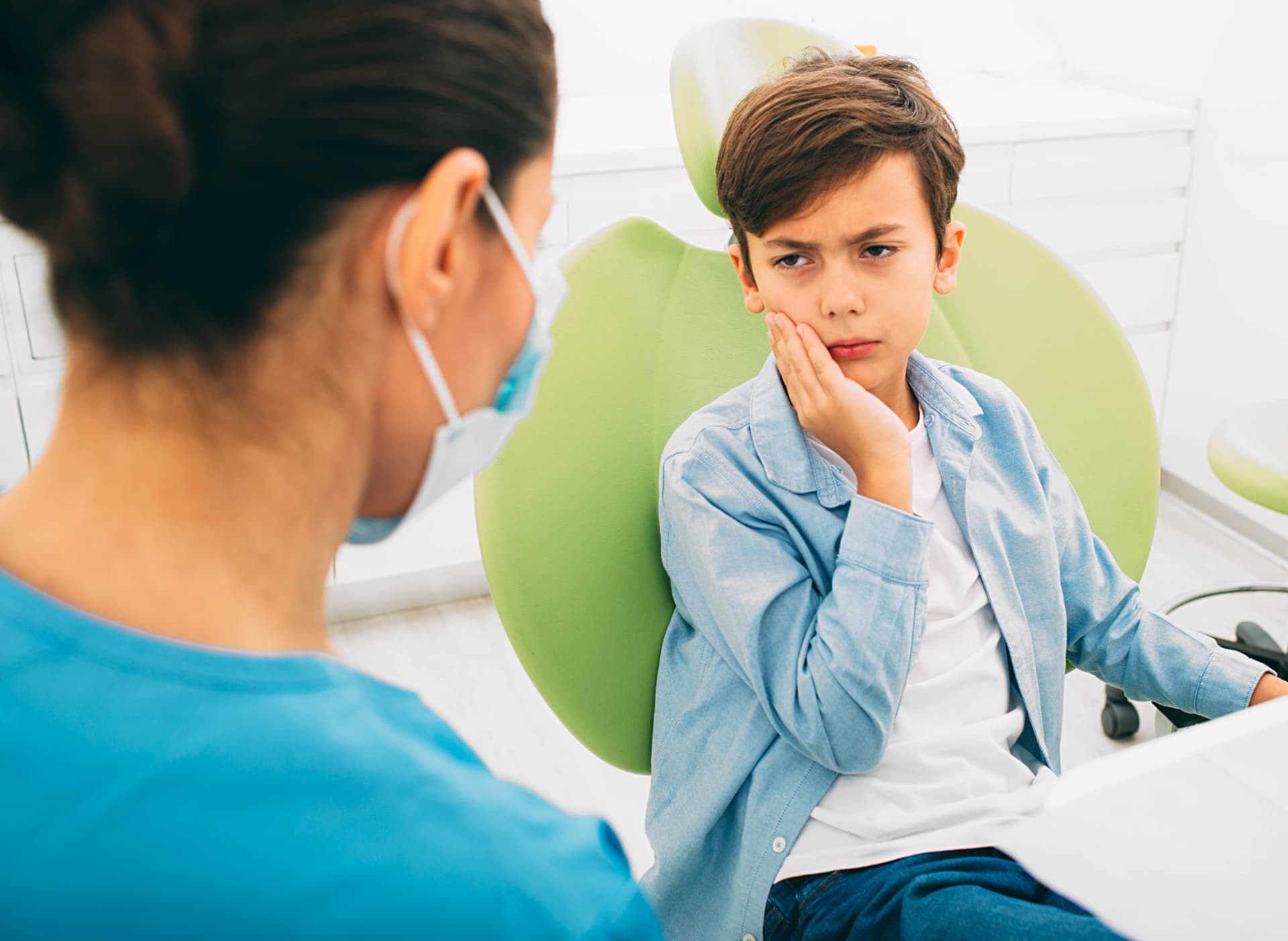
That depends on the condition of the tooth and your symptoms. A loose crown can come off unexpectedly, and continuing to chew on it may damage the crown or underlying tooth. Speak to a dentist, especially if you have pain, a bad taste, swelling, or difficulty biting. Facial swelling, fever, or trouble swallowing calls for urgent medical attention.
What will the dentist check?
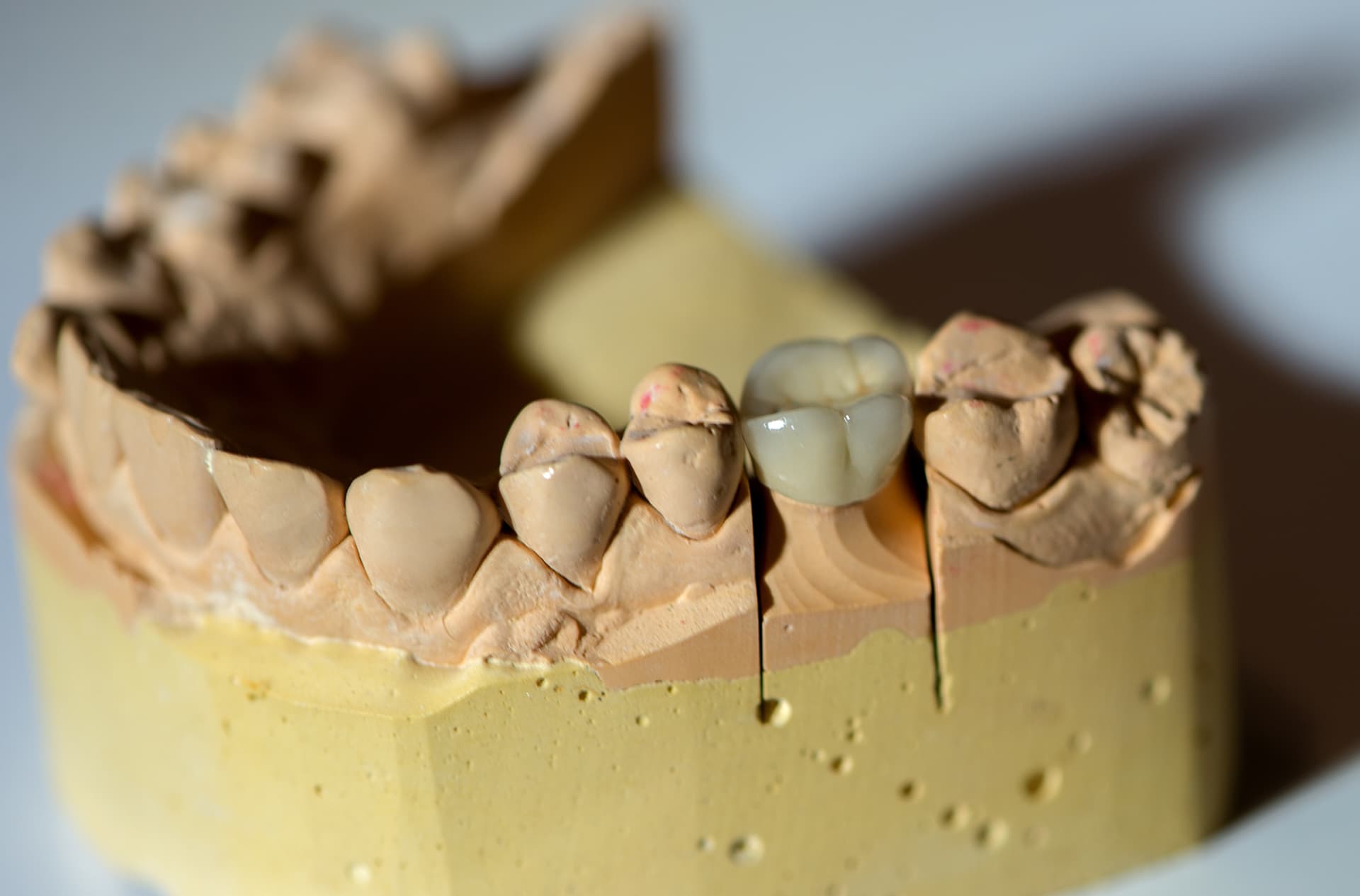
They may examine the fit of the crown, the remaining tooth, decay, and your bite. The next step could be recementing the crown, repairing the tooth, or discussing a replacement. An examination is needed before anyone can promise a particular fix or timeline.
SmileRite Dental Care sees patients in Khalifa City A and at The Courtyard Mall in Riyadh City. Call 02 555 9595 (Khalifa City) or 02 553 2529 (Riyadh City) and explain that you are travelling soon.
What if the crown has come off entirely?
Keep the crown if you can find it, and avoid chewing with the affected tooth. The tooth may feel sensitive to air, temperature, or pressure. Store the crown cleanly and bring it to the appointment; do not scrape away material from its inside or attempt a permanent repair at home. If you might have inhaled the crown or have trouble breathing, seek urgent medical help.
Even if the crown looks intact, it may no longer fit correctly. Decay, damage to the underlying tooth, or a change in the bite can be involved. Reattaching it without checking the tooth can trap a problem beneath it. If the crown is loose but still in place, resist repeatedly testing it with your tongue or fingers.
Why timing matters before a flight
Travel can limit your access to your usual dentist. Long flights, unfamiliar food, and a busy itinerary are poor moments to discover that the crown has detached. Tell reception your departure date and whether you have pain, swelling, or a visible break. They can explain appointment availability; an examination determines what can safely be done before travel.
Sometimes the dentist can recement a sound crown. In other cases the tooth may need repair, a new crown, or an interim plan. Ask whether any proposed temporary measure will last through your trip and what symptoms should prompt care while away. Avoid assuming a quick fix is appropriate simply because the travel date is near.
What to ask during the visit
Ask why the crown became loose, whether the underlying tooth is healthy, and whether your bite may be placing extra pressure on it. Find out whether you should avoid certain foods after treatment and how to clean around the area. Request a clear plan if definitive treatment cannot be completed before departure, including when to return after your trip.
If you have dental records or a history of repeated crown problems, mention it. A crown that comes off several times may need a different investigation from one that fails after many years. The age of the crown alone does not tell you whether it can be reused.
If symptoms develop during travel
Seek local dental care for increasing pain, swelling, fever, or an exposed tooth you cannot comfortably protect. If swelling affects your ability to swallow or breathe, seek emergency medical care. Keep a note of the treatment you receive abroad so your regular dentist can review it when you return.
Residents travelling from Abu Dhabi can contact either SmileRite branch and explain the departure deadline. The most useful call includes the crown's location, whether it is still attached, your symptoms, and the date you leave. That allows the team to guide scheduling without promising a specific procedure before an examination.
One final question to ask
Before you travel, save the dental clinic’s contact details and ask for a brief record of any temporary work if you might need care elsewhere. Clarify whether you should avoid chewing on that side and when the final repair is planned. A crown problem is easier to manage when you understand what was done, what remains to be done, and which changes mean you should call.