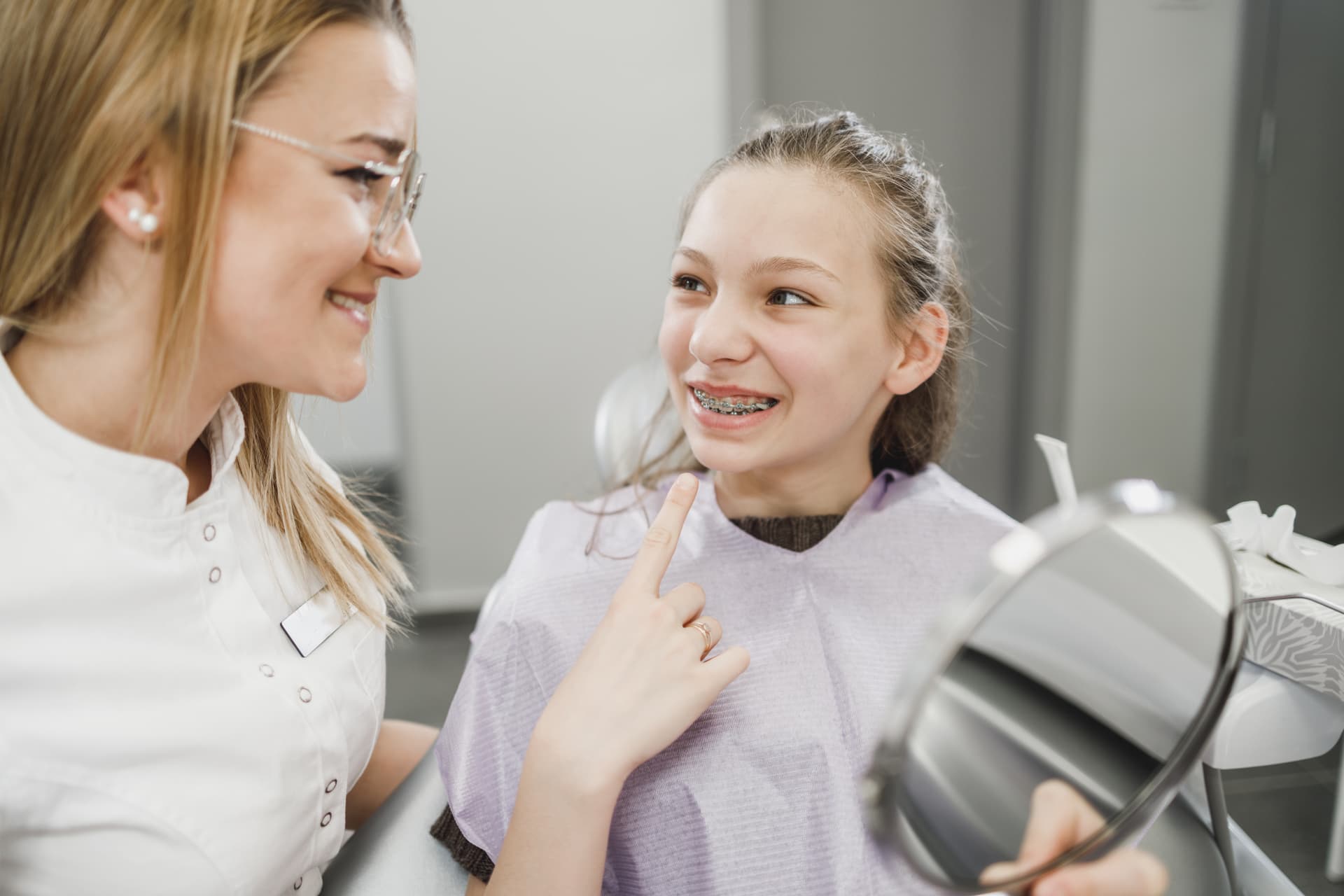
“Do they need braces?” is a fair question, but photos alone cannot answer it. A braces consultation for teenagers in Abu Dhabi looks at the teeth, bite, growth, oral health, and what your teenager wants to change.
What will the orthodontist assess?
The clinician may ask about chewing, jaw concerns, dental history, and cleaning habits. They will examine how the teeth fit together and may recommend photographs, scans, or X-rays where appropriate. This information helps them discuss whether treatment is needed, when to start, and which options might suit the case.
Are braces the only option?
Traditional fixed braces and clear aligners can address different needs, but their suitability depends on the bite and the teenager's ability to follow the treatment plan. An orthodontist can explain the likely duration, appointments, cleaning requirements, and retention after active treatment. Treatment times and outcomes vary.
Questions worth bringing
Ask what the treatment aims to improve, what happens if you wait, which option the orthodontist recommends and why, and what is included in the quoted plan. If your teenager plays contact sports or a musical instrument, mention it. Their comfort and ability to care for the appliance matter throughout treatment.
SmileRite Dental Care offers orthodontic consultations at its Abu Dhabi branches in Khalifa City A and Riyadh City. Call 02 555 9595 or 02 553 2529 to arrange a visit and ask which branch has the appropriate clinician available.
When is the right time to ask?
There is no single birthday on which every teenager should begin braces. The timing depends on growth, the way permanent teeth are coming through, and the type of bite concern. If a dentist has noticed crowding or a jaw issue, an orthodontic opinion can clarify whether to start treatment, monitor development, or review again later.
Your teenager may have a different priority from yours. They might be concerned about a visible gap, sports, the appearance of braces, or keeping their teeth clean at school. Include them in the conversation. A plan they understand and can maintain has a better chance of working smoothly.
What records are used?
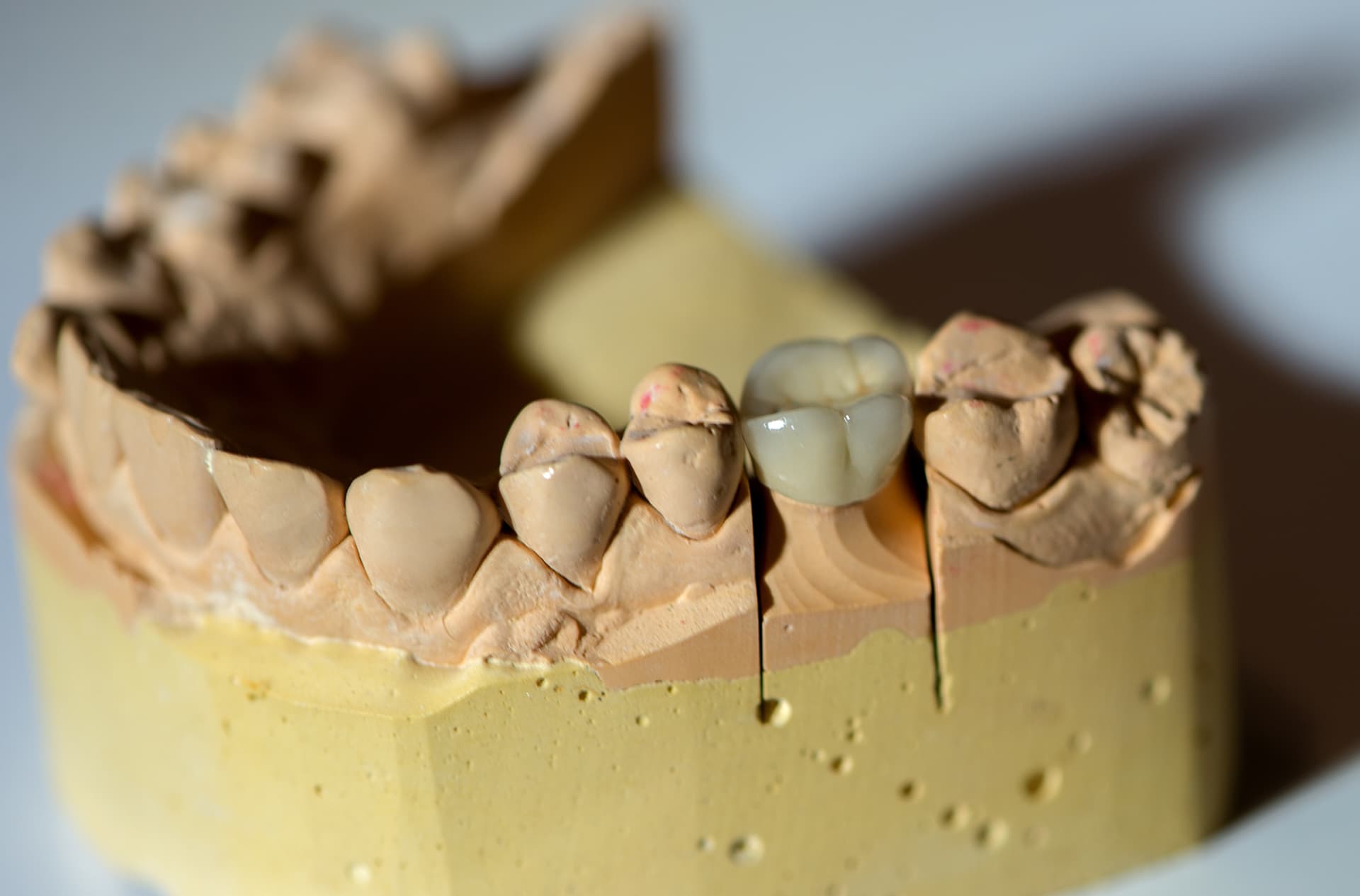
An orthodontist may use photographs, a scan or impressions, and X-rays when clinically appropriate. These records show details that are difficult to judge from a smile alone. Ask why each is needed, whether previous records can be used, and how the proposed treatment would change the bite. The consultation is also a chance to identify any decay or gum concerns that should be addressed before appliances are fitted.
Daily life during treatment
Fixed braces require careful cleaning around brackets and wires and may involve avoiding foods that could damage them. Clear aligners are removable, but they must be worn as prescribed and cared for consistently. Your orthodontist can discuss which approach is suitable for the case and explain what your teenager will need to do between visits.
Ask about school routines, meals, sports, and travel. If a bracket breaks or an appliance is lost, what should you do and whom should you call? Understanding the practical demands before treatment begins helps families plan. Appointments may also be needed at regular intervals to monitor progress.
The part after braces
Teeth can shift after active orthodontic treatment. Retainers are commonly part of the plan, and their use and follow-up should be explained before you start. Ask whether retainers and replacement costs are included, how to clean them, and what to do if one no longer fits. Long-term care is part of the commitment, not an optional detail mentioned only at the end.
Understanding a proposed quote
Two treatment plans can differ in the type of appliance, complexity, expected duration, records, review visits, and retainers. Ask for a written explanation of what is included and what circumstances might change the plan. Insurance coverage, if any, depends on your policy. Avoid choosing solely by a headline price or a promised timeline without understanding the diagnosis.
SmileRite's orthodontics page describes care for children and adults in Abu Dhabi. Contact the Khalifa City or Riyadh City branch to ask where a suitable orthodontist is available. Bring your teenager's questions, any referral or earlier X-rays, and a willingness to discuss both function and appearance. The consultation should leave you with clear next steps even if the best choice is to wait and review.
One final question to ask
After the consultation, invite your teenager to explain the options back in their own words. This can reveal questions about appearance, discomfort, or daily care that they did not feel ready to ask in the clinic. Contact the orthodontic team for clarification before accepting a plan. The family should know the goal, responsibilities, likely visits, and retention plan before treatment begins.