
Your child's first dental visit can shape how they feel about future appointments. Parents planning a first dental visit in Khalifa City often wonder when to come, what will happen, and how to prepare without making it a big event.
When should we arrange the first visit?
Ask a pediatric dentist for individual advice, particularly if you notice spots on the teeth, pain, an injury, or trouble eating. Early visits give families a chance to discuss brushing, fluoride toothpaste, feeding habits, and how to care for new teeth. Do not wait for your child to complain of pain.
What usually happens?
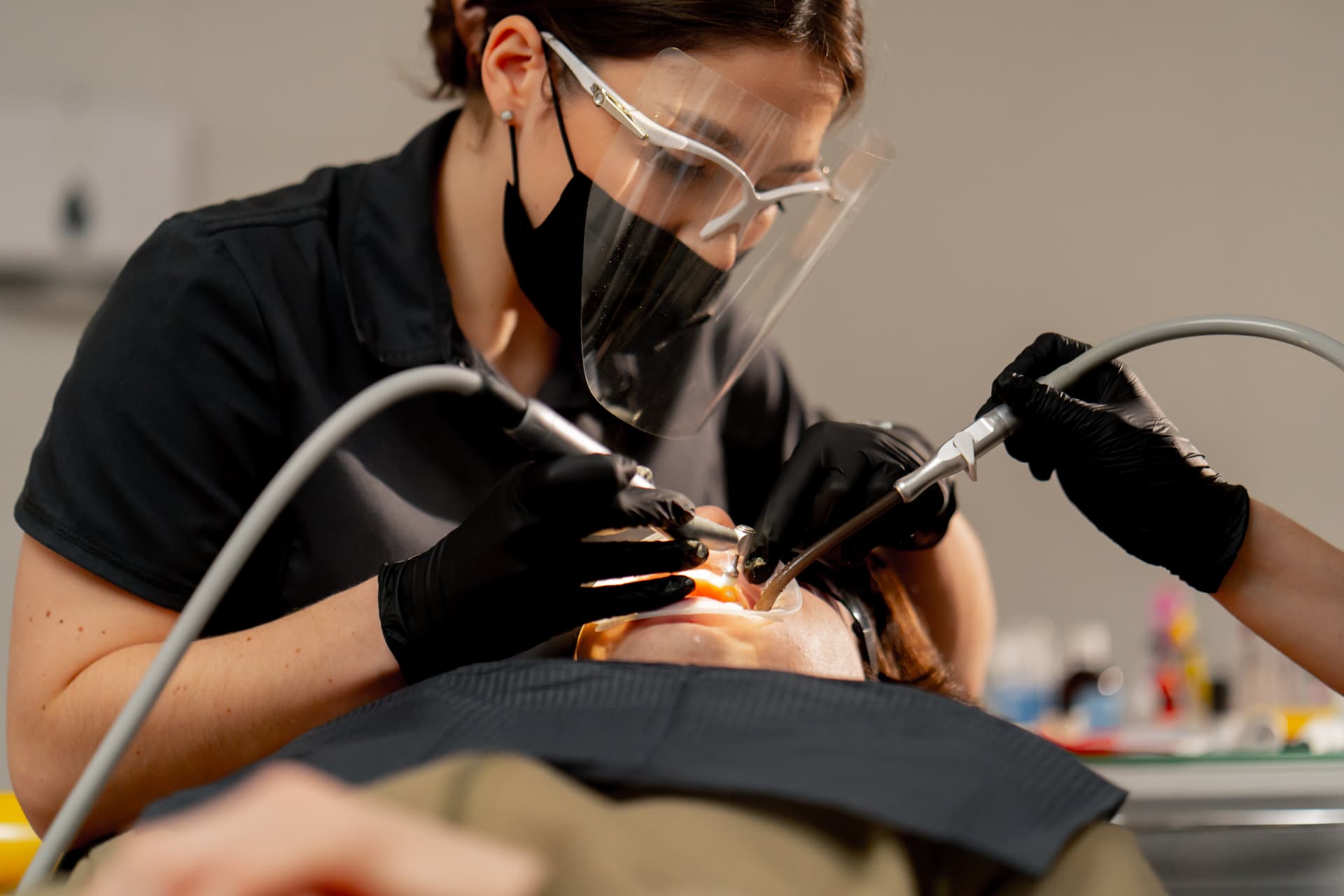
The dentist will get to know your child, ask about their health and habits, and check the teeth and gums as appropriate for their age and comfort. The visit may be brief. The aim is to understand your child's needs, answer your questions, and recommend follow-up based on what the dentist finds.
How can I prepare my child?
Use simple, calm language: “The dentist will count your teeth and help us keep them healthy.” Read a picture book about a dental visit if your child enjoys stories. Bring any questions about thumb sucking, snacks, brushing, or a tooth that worries you. Avoid promising that nothing will feel uncomfortable; reassurance and honesty work better together.
SmileRite Dental Care sees families at Villa No. 2, 3 Street, SE 1, Khalifa City A, Abu Dhabi. To ask about a children's appointment, call 02 555 9595 or 052 913 3529.
Helping a child feel comfortable
Children often take their cue from the adults around them. Try to describe the visit as a normal part of caring for the body, much like having a health check. If your child asks whether it will hurt, explain that the dentist will first look at their teeth and tell you about any recommended care. Avoid using a dental visit as a warning about sweets or brushing; that can make the appointment feel like a punishment.
Choose a time when your child is usually rested if scheduling allows. Let reception know about sensory concerns, communication needs, or a previous difficult healthcare experience. Bring a familiar small toy if it helps your child settle. Some children are happy to sit in the dental chair, while others need a parent nearby and more time to get used to the room. The team can adapt the conversation to your child.
Questions parents can bring
How much toothpaste should we use? How can we help a child who resists brushing? Which snacks and drinks are best kept for mealtimes? What should we do if a tooth is slow to come through? There is no need to remember every detail in the room; a note on your phone can help.
Tell the dentist if your child has had pain, a fall, a change in the colour of a tooth, mouth breathing, or a habit such as thumb sucking. Discuss bottles or night feeds honestly. The purpose is to understand patterns and offer realistic advice, not to judge your parenting. If the dentist recommends a preventive treatment, ask what it is intended to do, how it is provided, and when it should be reviewed.
Home care between visits
An adult should help young children brush thoroughly, especially at bedtime, while encouraging them to practise. Fluoride toothpaste is usually recommended, but the appropriate amount depends on age and individual risk; ask your child's dentist for specific guidance. Water is a sensible everyday drink. Frequent exposure to sugary drinks and snacks can increase the chance of decay even when the total amount seems small.
If brushing causes a struggle, try a consistent short routine and let your child choose between two brushes or songs. Check the back teeth, which can be missed. Be patient: habits take time, and an imperfect day does not undo the effort. Your dentist can demonstrate a technique that works for the teeth your child currently has.
After the visit
Ask what the dentist noticed, what you should watch for, and when your child should return. The interval can vary with their age, oral health, and risk of decay. If treatment is suggested, request an explanation of the options and what your child can expect. Building trust matters as much as completing the first examination.
Families in Khalifa City can use the local branch for questions as their child's teeth change. An early visit gives you a familiar place to call when a new tooth, sensitivity, or accident raises concerns. Confirm appointment availability and the clinician who will see your child when booking.
One final question to ask
If your child asks questions after the visit, use the words the dentist used and let them know it is fine to ask again next time. You can also ask the team for an age-appropriate explanation of any follow-up treatment. If you care for more than one child, remember that their visit schedules and needs may differ even when their daily routines look similar.