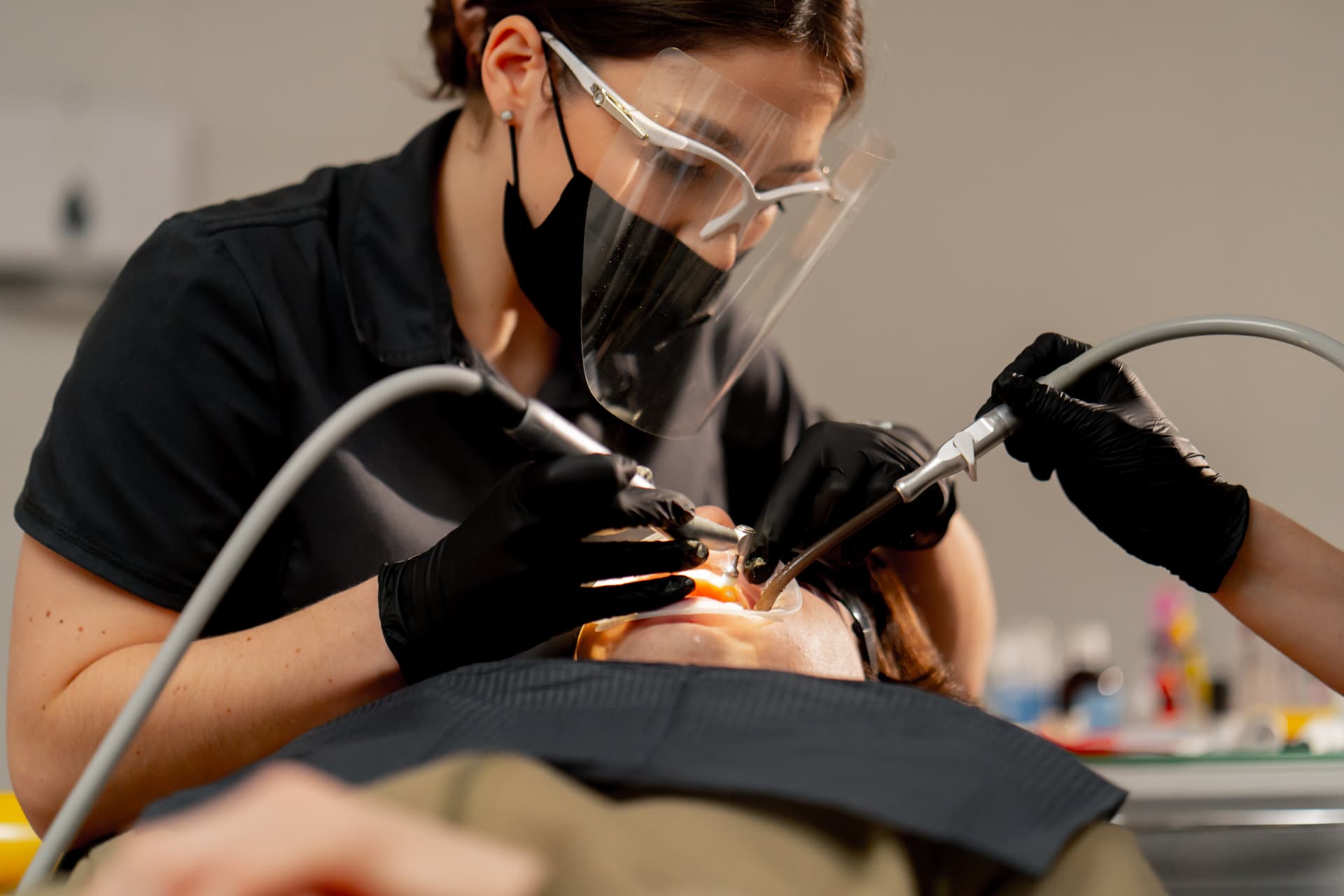
If cold water makes you wince, a dental cleaning can sound uncomfortable. People searching for teeth cleaning for sensitive teeth in Khalifa City can start with one simple step: tell the dental team exactly what triggers the sensitivity before the appointment begins.
Why are my teeth sensitive?
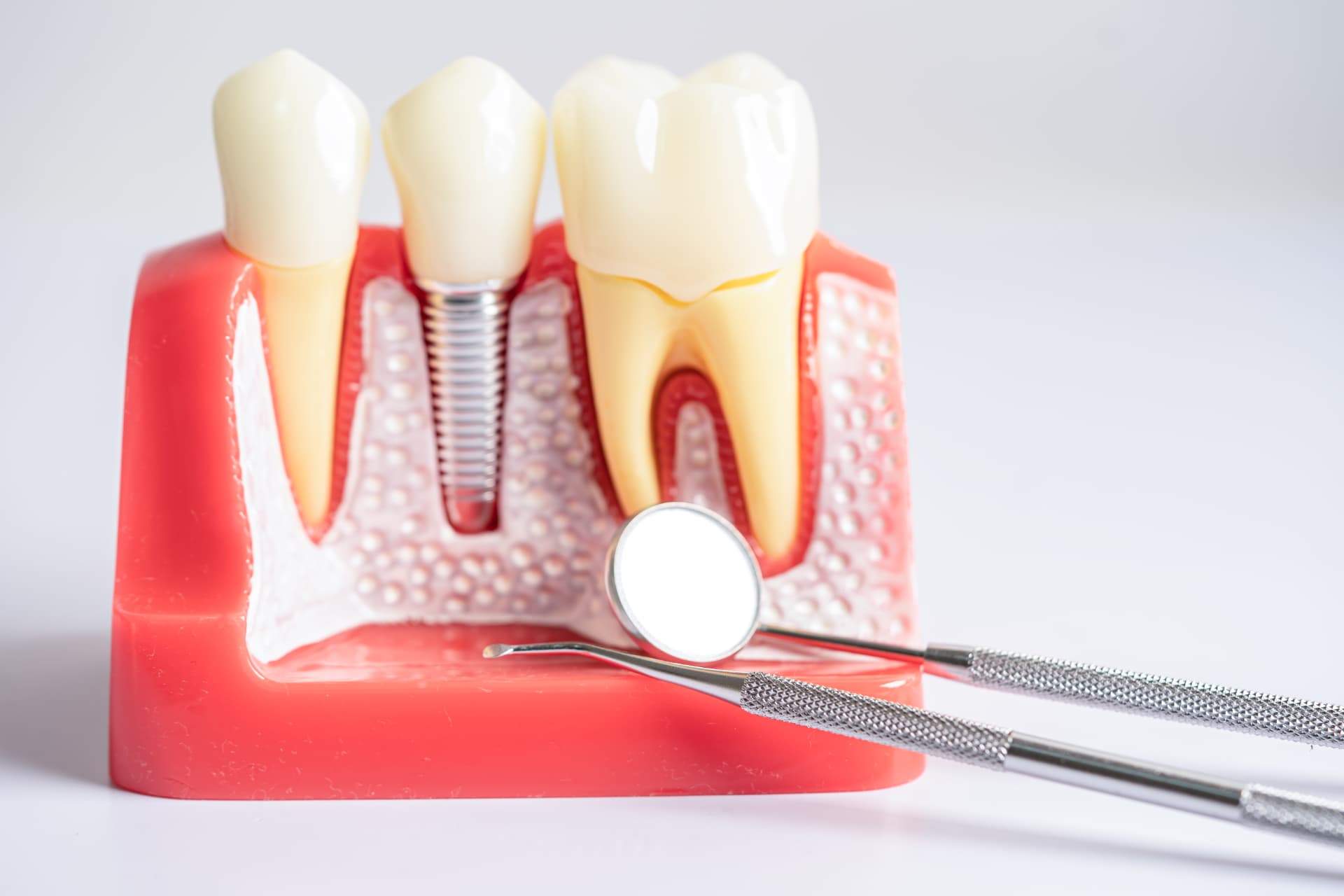
Sensitivity can have several causes, including exposed root surfaces, worn enamel, cavities, cracks, or problems around a filling. Your dentist needs to examine the area before deciding what care is appropriate. A cleaning removes plaque and hardened deposits, but it may not address the underlying reason a particular tooth hurts.
What should I say before the cleaning?
Point out the tooth or area, describe whether cold, sweets, brushing, or biting triggers the discomfort, and say how long it lasts. Mention any recent dental treatment. This lets the clinician assess your mouth and discuss ways to make the visit more comfortable. You can agree on a signal to pause during care.
When should I book an assessment sooner?
Do not put off a visit if the pain is persistent, getting worse, occurs without a trigger, or makes it difficult to chew. Swelling or fever needs prompt professional assessment. Sensitivity is information your dentist can use, not a reason to feel embarrassed about booking.
SmileRite Dental Care's Khalifa City A branch is at Villa No. 2, 3 Street, SE 1. Call 02 555 9595 or 052 913 3529 and mention your sensitivity when arranging your appointment.
Why avoiding cleanings can become a cycle
Sensitivity may make you brush around a sore area or postpone a cleaning. Plaque can then collect where cleaning is less effective. That does not mean every sensitive tooth needs the same treatment, but it is a good reason to seek an examination instead of working around the discomfort indefinitely.
Notice whether the sensation is brief and triggered by cold, or whether it lingers or starts on its own. Is it one tooth, several teeth, or the gumline? Does biting cause a sharp feeling? These details help the dentist decide what to investigate. A cracked tooth, gum recession, and a cavity may all be experienced as “sensitivity,” yet call for different care.
What happens at the assessment?
The clinician may examine your teeth and gums, review your brushing habits and recent treatment, and suggest an X-ray if the findings justify one. They can explain whether a routine cleaning is appropriate now or whether another issue should be managed first. Ask what they can do if an area feels uncomfortable during the cleaning and agree on a hand signal to pause.
Some people worry that cleaning itself will permanently make their teeth more sensitive. After tartar is removed, exposed surfaces may feel different for a period, especially when gum recession or inflammation was already present. If discomfort is pronounced or persists, contact your dentist rather than assuming it is normal. The team can reassess and advise on your next step.
Everyday habits that may matter
Use a soft brush and gentle pressure. Brushing harder does not make teeth cleaner and can irritate the gumline. Ask about a suitable toothpaste if sensitivity is a recurring problem; a dentist can help decide whether a desensitising product is appropriate. Acidic drinks and frequent sipping can contribute to enamel wear, while grinding may put extra force on teeth. Your dentist can help you identify which factors actually apply to you.
Avoid trying to cover a painful tooth with over-the-counter products without finding the cause. If a new filling or crown seems to have changed your bite, tell the dentist. If one tooth has intense pain when chewing or sensitivity that lingers, ask for an examination instead of booking cleaning alone.
A conversation to have when booking
You can say, “I'd like a cleaning, but the lower left side is sensitive to cold and I am worried it will hurt.” That gives reception clearer information than simply asking for a routine appointment. Ask whether the first booking should include an examination and whether cleaning can be completed the same day; scheduling depends on the assessment and availability.
At SmileRite's Khalifa City branch, the goal of the first visit is to understand your concern and recommend suitable care. You should leave knowing what caused the sensitivity if it can be identified, which care is recommended, what it may cost, and what to do if symptoms change. A comfortable plan begins with describing the problem accurately.
One final question to ask
After the appointment, note whether the sensitivity changes over the following days and whether the same trigger still causes it. Contact the practice if you have increasing discomfort or a symptom the dentist asked you to watch. Keep up the gentle home-care routine recommended for your mouth. A successful visit gives you a plan for the cause of the sensitivity as well as cleaner teeth.