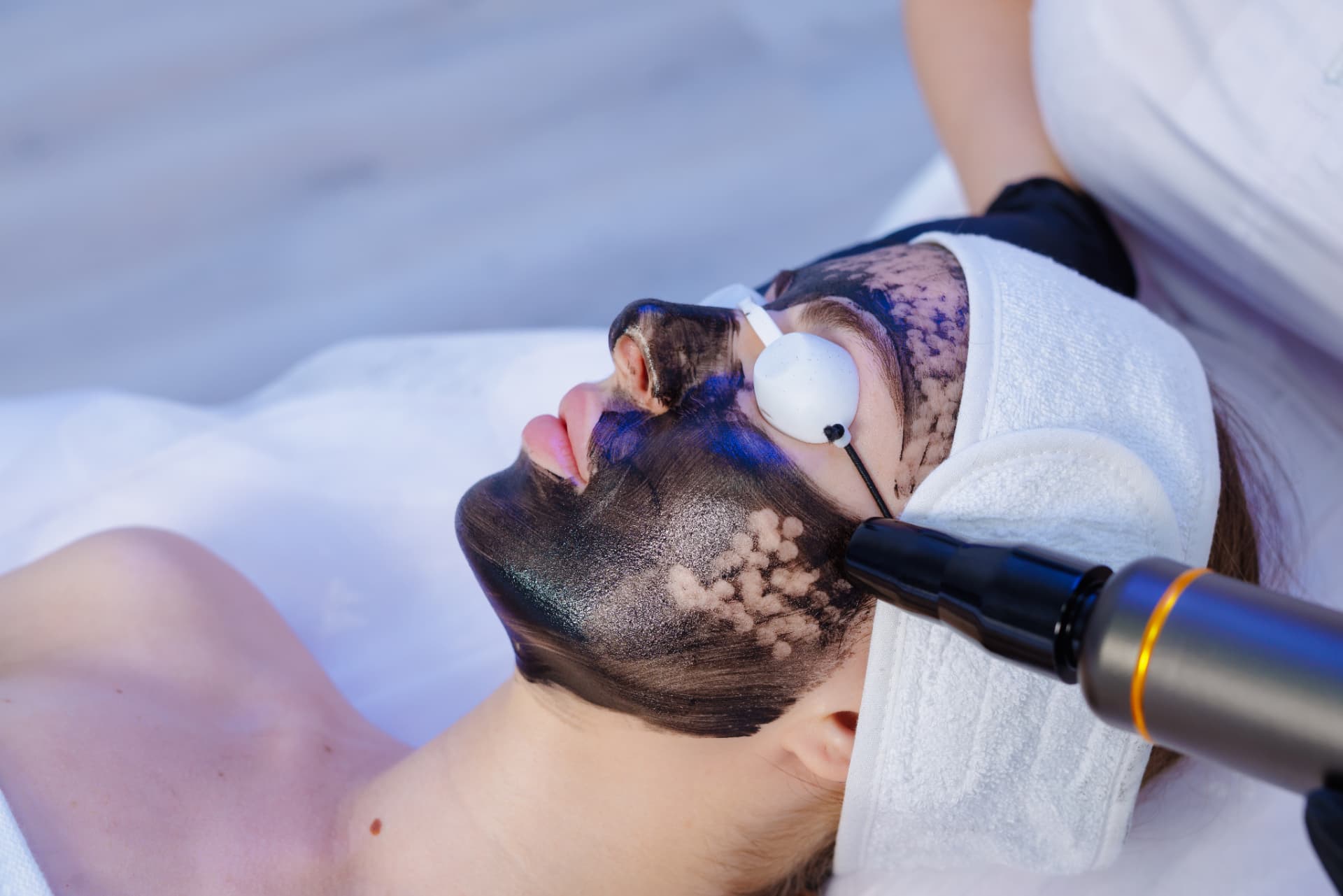
A dark spot is not a diagnosis. Pigmentation can arise from sun exposure, inflammation, hormonal changes, or other causes. Some spots need medical assessment rather than cosmetic laser. If you are researching Q-switch laser for pigmentation in Riyadh City, begin with a consultation that identifies what is being treated. SmileRite's website lists a Revlite Q-switch system, but the machine name does not tell you whether your particular spot is suitable.
Why is diagnosis the first step?
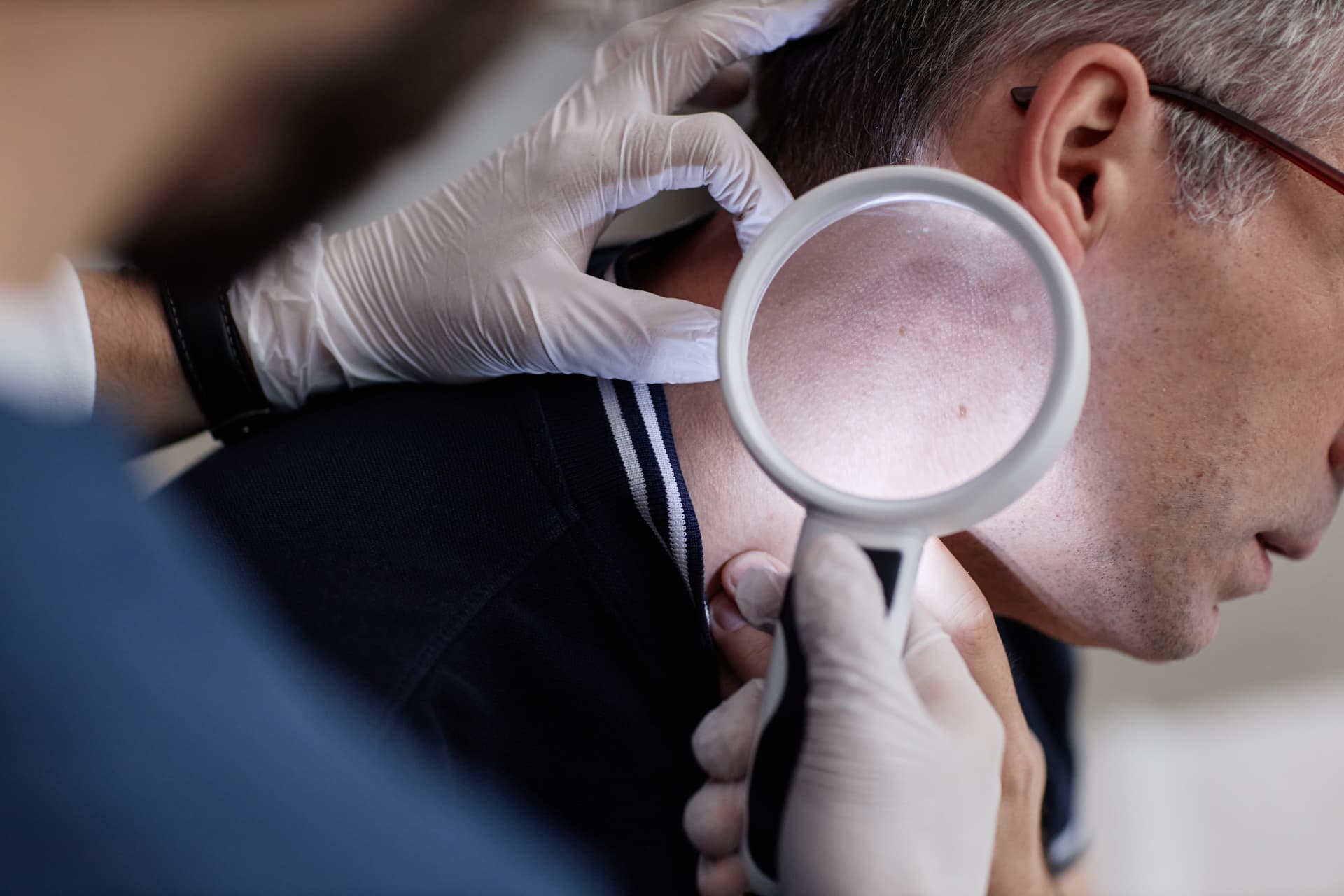
Different forms of pigmentation respond differently. Melasma, post-inflammatory marks after acne, freckles, and other lesions cannot be managed with one standard setting or identical promise. A changing, bleeding, irregular, or otherwise concerning lesion should be evaluated by a qualified clinician before any cosmetic procedure. Do not cover a suspicious spot with treatment simply because it bothers you aesthetically.
What can the clinician assess?
Expect questions about when the mark appeared, whether it changes, earlier treatments, sun exposure, medications, and your tendency to develop dark marks after irritation. The clinician should examine your skin, discuss the likely diagnosis, and explain whether laser, topical care, another procedure, or observation is more appropriate. Some pigmentation can worsen after heat or irritation, so careful selection matters.
What results are realistic?
The goal may be lightening rather than complete removal. The response can vary even between areas on the same face. Multiple visits, ongoing sun protection, and maintenance may be needed. Ask for an estimate based on your diagnosis, not a promise from before-and-after pictures of someone with a different skin concern. Find out what temporary darkening, redness, or recovery might look like.
How does Abu Dhabi sun affect the plan?
Sun and visible light exposure may contribute to pigmentation returning or becoming more noticeable. Tell the clinician about outdoor work, commuting, and travel. Ask which sunscreen and protective habits they recommend for your skin, and whether the timing of treatment should change around a sunny holiday. A procedure without a realistic prevention plan may disappoint.
Questions before paying for sessions
Ask who will diagnose the pigmentation, why this device is appropriate, the chance of post-inflammatory hyperpigmentation for your skin type, expected downtime, and what happens if a spot does not respond. Clarify whether a test area is needed and which skincare products should be paused. Do not use bleaching or exfoliating products on treated skin without the clinician's instructions.
SmileRite Dental Care lists Q-switch laser at its dermatology and aesthetic service. Call the Riyadh City branch at 02 553 2529 or 058 862 1097 to confirm local availability and arrange a skin assessment at The Courtyard Mall.
What a responsible consultation should give you
Before committing to treatment, ask the clinician to explain the expected benefit in your particular case, the limitations, common side effects, less common but significant risks, and available alternatives. Find out who performs the procedure and who reviews a reaction afterward. If the recommendation differs from what you expected, ask why. A decision made after an examination is more useful than a package chosen from a photograph.
Getting to the Riyadh City branch
SmileRite Dental & Medical Clinic is located at Retail Units 8–9, The Courtyard Mall, Riyadh City, Abu Dhabi. Its contact page gives 10:00 AM to 10:00 PM and the numbers 02 553 2529 and 058 862 1097. Confirm the current hours, service and professional availability when booking.
A final note on results
Individual outcomes vary. A treatment may need to be adapted or postponed after examination, especially with recent sun exposure, active skin disease, or medication use. Ask for a written plan and aftercare instructions, and contact the clinic if the skin reacts in a way you were not advised to expect. The most helpful article prepares you for that conversation; it cannot diagnose your skin remotely.
What if the pigment returns?
Recurring pigmentation is possible when the underlying trigger remains. Ask whether your diagnosis tends to recur and what home routine is recommended between visits. Your clinician may discuss sun protection and other treatments, but the plan should reflect your skin rather than a standard combination sold to every patient.
Photographs in the same lighting can help track whether a spot has changed, although they do not replace examination. Tell the clinician if you see a new or changing lesion, especially one that bleeds or has irregular features. Cosmetic laser should not proceed over a lesion whose nature is uncertain.
If you have previously developed dark marks after a peel, facial, acne lesion, or laser, bring that history to the appointment. Post-inflammatory pigment changes are particularly relevant when choosing the procedure and settings. Ask what the clinic's follow-up process is if a treated area becomes darker rather than lighter. A careful plan includes how to handle an unexpected result as well as the intended improvement.